Source heating pemf pet pad for Dogs, Horses, and Home Use
Explore 30 verified listings for the heating pemf pet pad designed for dogs, horses, and general home care. Buyers can compare specifications like size, voltage, and material to find the right supplier for their needs.
Key considerations
Products List
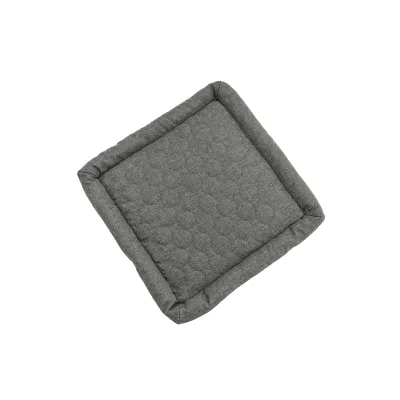
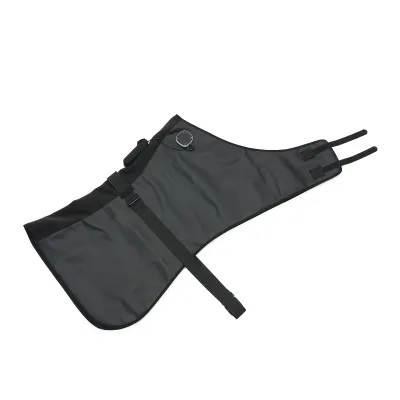
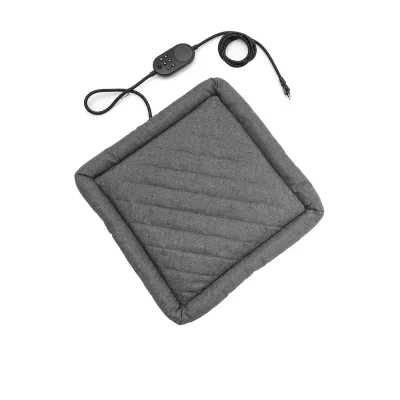


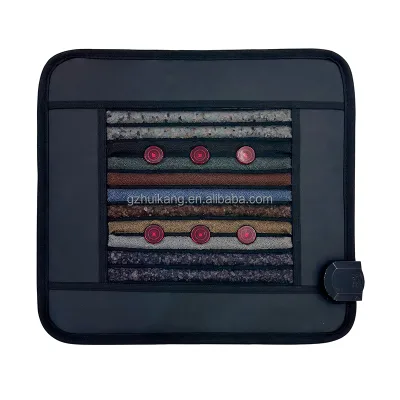


Comprehensive Sourcing Guide
Strategic Sourcing Guide for Heating PEMF Pet Pads
Understanding the Technical Architecture and Core Specifications
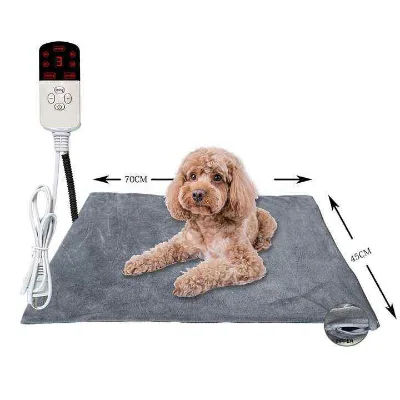
When sourcing heating PEMF (Pulsed Electromagnetic Field) pet pads, buyers must first distinguish between the specific technical architectures available in the current market. The product landscape for these devices is not monolithic; rather, it comprises distinct variations tailored for different animal sizes and therapeutic needs. A critical observation from current market data indicates that product dimensions vary significantly, ranging from compact units measuring 3345 cm to larger mats sized 60100 cm or even 100*100 cm. This variance directly impacts the selection process, as a pad designed for a small dog will not provide adequate coverage for a large horse or a senior cat requiring full-body therapy.
The material composition is another fundamental technical differentiator. High-quality units often utilize a composite structure involving cotton and cloth layers to ensure comfort and breathability, which is essential for prolonged animal contact. Some advanced iterations incorporate heating wires and PEMF generation technology directly into the fabric matrix. In contrast, other product lines may utilize PU (Polyurethane) materials, which offer different durability and cleaning characteristics. The integration of Far Infrared Rays and Photon technology is frequently cited as a key feature, intended to work in tandem with PEMF to promote circulation and tissue repair.
Power specifications also require careful scrutiny. While some units operate on standard voltage, specific models in the market are designed for DC operation, such as those rated at 20V. The power consumption can vary, with some units operating at approximately 35 W. It is imperative for buyers to verify the voltage requirements against their intended power source, especially if the device is to be used in mobile veterinary settings or homes with varying electrical standards. The temperature range is another critical parameter; observed specifications suggest a functional operating range between 10℃ and 35℃, which is generally safe for animal skin but must be strictly monitored to prevent thermal injury.
Compliance Verification and Certification Standards
In the B2B procurement of health-related devices for animals, regulatory compliance is not merely a formality but a prerequisite for market entry and liability protection. The primary certification observed in the current supply chain for these products is the CE mark, indicating conformity with health, safety, and environmental protection standards for products sold within the European Economic Area. However, buyers should not assume that a single certification covers all global markets.
A more robust supplier profile often includes a broader suite of certifications. For instance, some high-grade units may carry CE, FCC (Federal Communications Commission for electromagnetic interference), PSE (Japanese safety mark), RoHS (Restriction of Hazardous Substances), and REACH (Registration, Evaluation, Authorisation and Restriction of Chemicals) certifications. The presence of multiple certifications suggests a higher level of manufacturing rigor and adherence to international safety standards. Buyers must explicitly request proof of these certifications for the specific model number they intend to purchase, as a supplier might hold certifications for one product line but not another.
Furthermore, while background knowledge often associates medical-grade devices with ISO13485 (Quality Management Systems for Medical Devices), this standard should not be asserted as a universal fact for all pet heating pads without direct verification from the supplier. The distinction between a consumer wellness product and a medical device is significant. If the product is marketed for "Personal Health Care" or specific therapeutic applications like "Infrared physiotherapy," the regulatory bar is higher. Buyers should verify if the supplier claims adherence to ISO13485 or if they operate under general quality management systems. The absence of such a claim does not necessarily indicate non-compliance, but it does require a more rigorous internal quality audit by the buyer.
Cost Drivers and Economic Factors in Procurement
The pricing structure for heating PEMF pet pads is influenced by a complex interplay of material costs, technological complexity, and order volume. The observed market price range is exceptionally broad, spanning from approximately $0.07 to $2199 USD. This disparity is not indicative of a single product type but rather reflects the difference between simple heating mats and complex, multi-functional PEMF devices with advanced control systems.
A primary cost driver is the inclusion of the PEMF generator and the specific heating wire technology. Units that combine Far Infrared Rays with PEMF and offer customizable features like specific voltage ratings (e.g., 20V DC) or specific power outputs (e.g., 35 W) will naturally command a higher price point than basic heating pads. The material composition also plays a role; pads utilizing cotton and cloth blends with integrated heating elements may have different cost structures compared to those using PU materials or specialized absorbent layers.
Order Volume (MOQ) is the second most significant economic factor. The market exhibits a wide range of Minimum Order Quantities, from as low as 10 pieces to as high as 5000 or even 10,000 pieces. Suppliers with high production capabilities, such as those claiming a daily output of 1,000,000 pieces, often structure their pricing to incentivize large-volume orders. For a buyer with a lower volume requirement, the unit cost may be significantly higher due to the lack of economies of scale. Conversely, buyers seeking to stock large inventories can negotiate better rates by meeting the higher MOQ thresholds. It is crucial to calculate the total landed cost, including shipping and duties, as the low unit price of $0.07 may apply only to bulk orders of specific, simpler variants, while the $2199 figure likely represents a complete, high-specification system or a small batch of premium units.
Typical Applications and Usage Scenarios
The application of heating PEMF pet pads extends beyond simple comfort; they are increasingly utilized for therapeutic and recovery purposes in both domestic and professional settings. The primary usage category identified is "Personal Health Care," which encompasses a wide range of therapeutic interventions. In a home environment, these pads are frequently applied to address back pain, joint stiffness, or muscle recovery in aging pets. The specific application for "back" therapy is explicitly noted in several product listings, highlighting the device's utility in managing spinal issues common in older animals.
In professional veterinary or rehabilitation clinics, the applications are more specialized. The "Far Infrared Heating DC PEMF Horse Pad" indicates a specific use case for large animals, where the larger dimensions (60100 cm or 100100 cm) are necessary to cover the broad back or hindquarters of equines. The therapeutic mechanism relies on the combination of heat and electromagnetic fields to stimulate blood flow, reduce inflammation, and accelerate tissue healing.
The versatility of these products is further enhanced by their suitability for various species. While some units are marketed specifically for "Pets" or "Dogs," the technology is adaptable. The "Infrared PEMF Pets Mat" and "Heated PEMF Dog Pad" keywords suggest a focus on canine health, but the underlying technology can be applied to other small animals. The "Application: Home Use" attribute confirms that these devices are designed for safe, long-term domestic use, often featuring temperature controls to prevent overheating. Buyers should consider the specific needs of their target customer base; a retailer focusing on equine therapy will require different specifications than a boutique pet store catering to small dog owners.
Supplier Evaluation and Operational Capabilities
Selecting the right supplier requires a deep dive into their operational capabilities and business flexibility. One of the most critical factors is the supplier's willingness to engage in OEM (Original Equipment Manufacturer) and ODM (Original Design Manufacturer) services. The market data indicates that OEM/ODM is "Warmly Welcomed," suggesting that many suppliers are open to customizing product features, branding, and packaging. This is particularly important for buyers looking to build a private label brand.
The availability of customization extends to the physical attributes of the product. Buyers can often request customized logos, specific colors (including options like Blue or Multi-color), and tailored dimensions. The "Customized Logo Available" and "Logo Printing: With Logo Printing" attributes confirm that branding is a standard service. However, buyers must clarify the extent of customization; for instance, while the color can be customized, the core technical specifications like voltage or power output may be fixed based on the supplier's existing production lines.
Production capacity is another vital metric. Suppliers claiming a production ability of 1,000,000 pieces per day demonstrate significant scale, which can be advantageous for large orders. However, buyers must also consider the lead time. A standard delivery time of 25 days is observed in the market, but this can vary based on order volume and customization requirements. For high-volume orders, such as those with an MOQ of 10,000 pieces, the lead time may extend, and buyers should negotiate realistic timelines to avoid supply chain disruptions.
Quality Control and Long-Term Procurement Considerations
Ensuring product quality and long-term reliability is paramount in the procurement of heating devices. The shelf life of these products is typically listed as 1 year, which is a standard expectation for electronic components and battery-integrated devices. However, the functional lifespan of the heating wire and PEMF generator may extend beyond this period if the device is used correctly.
Warranty and after-sales support are critical indicators of a supplier's confidence in their product. A "12 months" warranty is a common offering, providing buyers with a safety net against manufacturing defects. Additionally, the availability of "Free Spare Parts" is a significant advantage, as it reduces the total cost of ownership and ensures that the product can be repaired rather than replaced. Buyers should explicitly confirm the scope of the warranty and the process for claiming spare parts before finalizing an order.
Packaging and logistics also play a role in quality preservation. The single package size of 85X75X15 cm and a gross weight of 12.000 kg indicate that these are substantial items requiring robust packaging. The use of PE bags and cartons is standard, but buyers should verify that the packaging is sufficient to protect the device during transit, especially given the electronic components involved.
For long-term procurement, buyers should establish a clear communication channel with the supplier regarding updates on technology and materials. The "To Be Reseller: Acceptable" attribute suggests that the supply chain is open to distribution partnerships. Buyers should also consider the "Anti-Leak" and "Anti-Slip" features, such as PE Film and adhesive tapes, which are crucial for maintaining hygiene and safety, particularly in pet environments where accidents may occur. By focusing on these operational and quality metrics, buyers can build a sustainable supply chain that delivers high-value products to their customers while minimizing risk.
FAQs
What certifications do heating pemf pet pads typically have?
Most units carry CE certification, and some include FCC, PSE, RoHS, and REACH marks. Buyers should verify specific certificates for the model number to ensure compliance with target market safety standards.
Can I customize the logo and color of the pet pad?
Yes, customized logos and colors are available for most heating pemf pet pad models. Suppliers often welcome OEM and ODM requests to tailor branding and product appearance to specific buyer requirements.
What is the minimum order quantity for these pet mats?
Minimum order quantities vary significantly, ranging from 10 pieces to 10,000 pieces depending on the supplier and product type. Buyers should check specific listings to find options matching their volume needs.
How long is the warranty period for heating pemf devices?
A standard warranty period is 12 months for most heating pemf pet pad units. Some suppliers also offer free spare parts as part of their after-sales service to support long-term reliability.
What are the typical dimensions for these therapeutic mats?
Sizes vary from compact 33x45 cm units to large 100x100 cm mats suitable for horses. Common dimensions include 60x100 cm and 60x90 cm to accommodate different animal sizes and therapeutic needs.
What is the delivery time for bulk orders of these pads?
Standard delivery time is approximately 25 days for most orders. Lead times may extend for large volume purchases or customized specifications, so buyers should confirm timelines before finalizing procurement.
Can these pads be used for back therapy on pets?
Yes, these devices are explicitly designed for back therapy and personal health care applications. They utilize infrared and PEMF technology to promote circulation and relieve muscle stiffness in aging or injured animals.